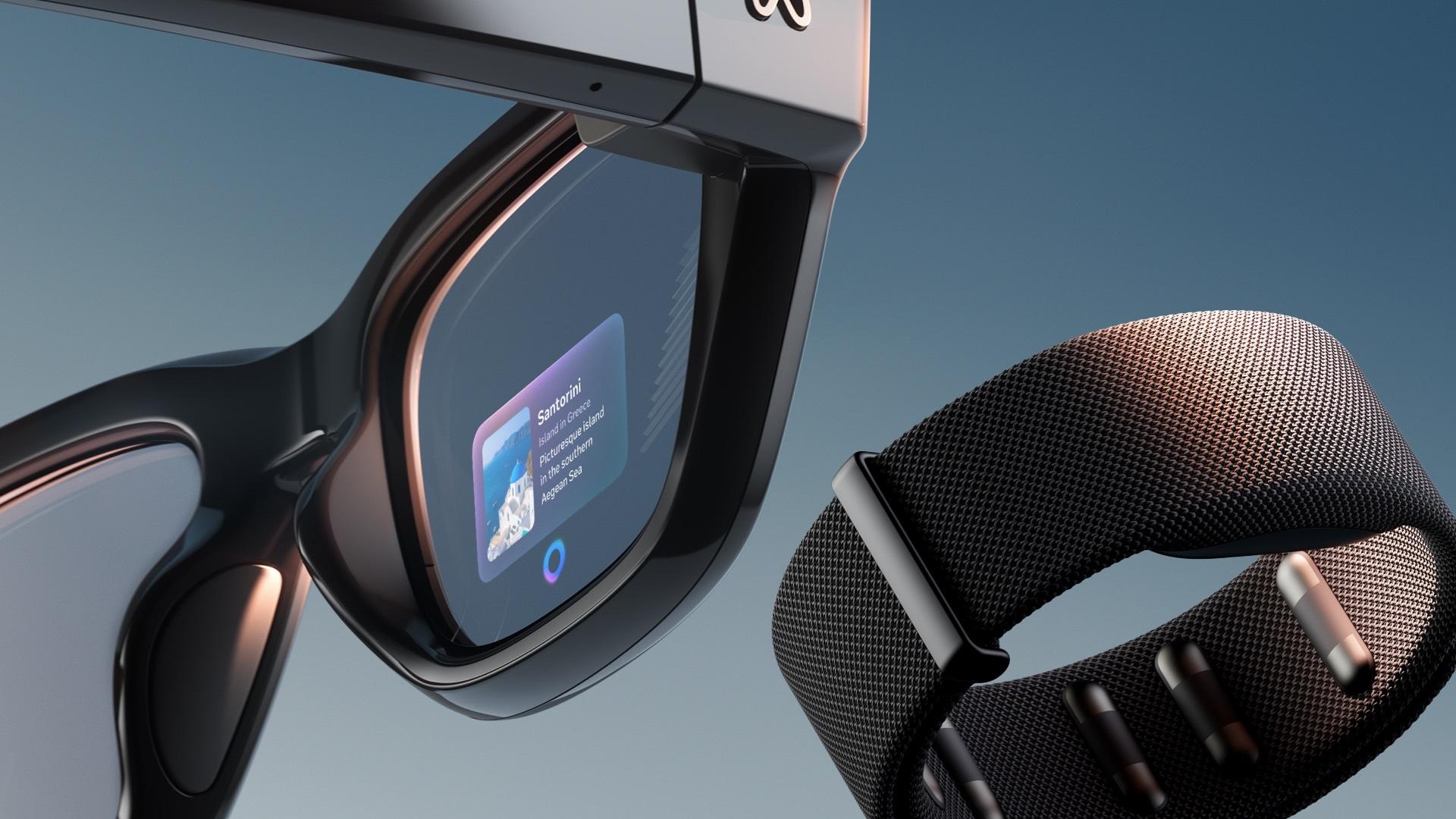
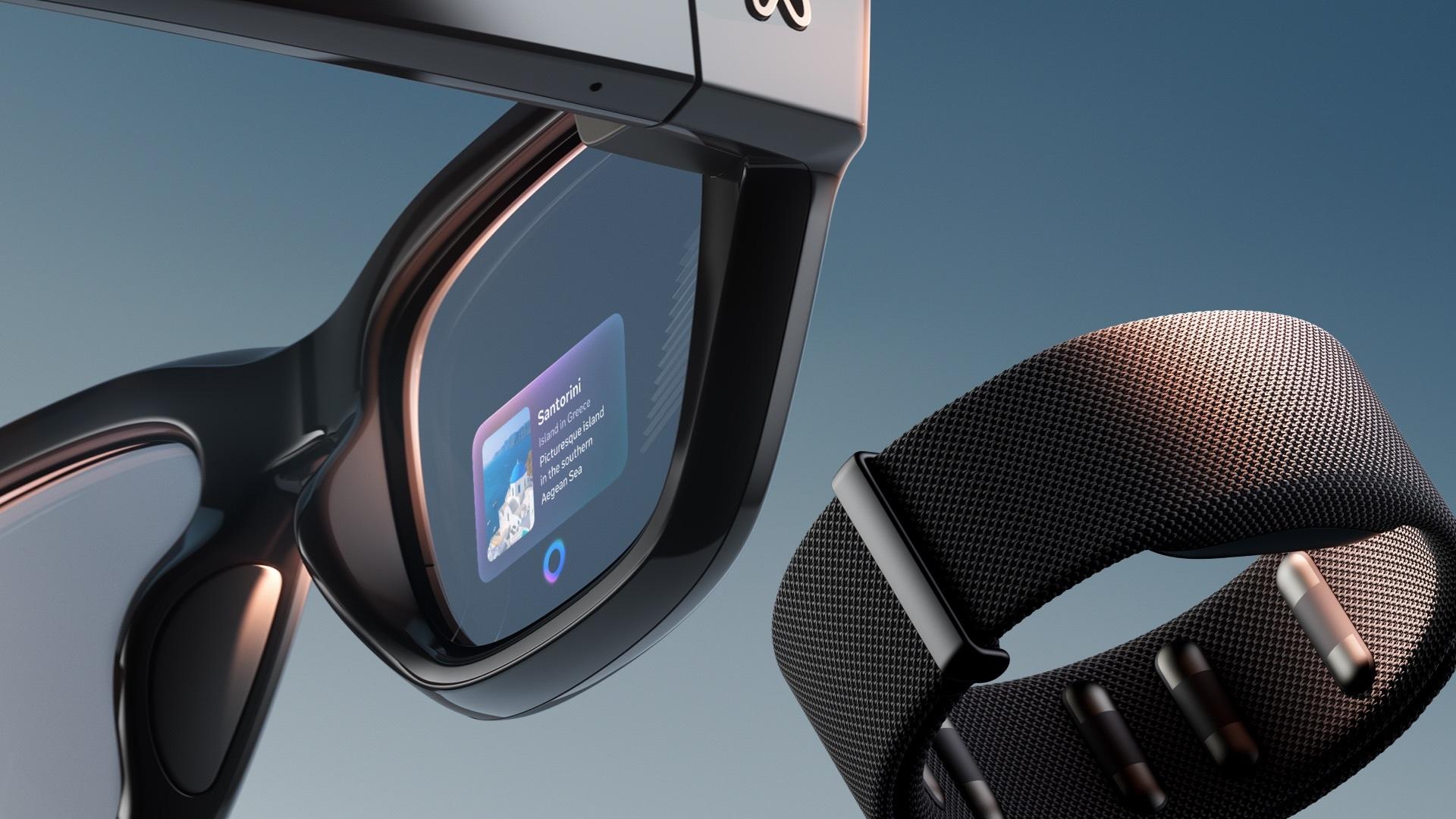
Ray-Ban Display glasses embed a transparent display directly in the lens, projecting information into your line of sight without blocking what's in front of you. Think of it as a heads-up display you wear all day. Paired with the Meta Neural Band worn on the wrist, they respond to simple hand gestures — no touchscreen, no voice commands, no reaching for anything. It's a computer you wear, not one you carry.
Home cooks
Anyone who follows a recipe while actively cooking, managing heat, timing, and technique at once. Especially useful for complex meals with multiple components running simultaneously.
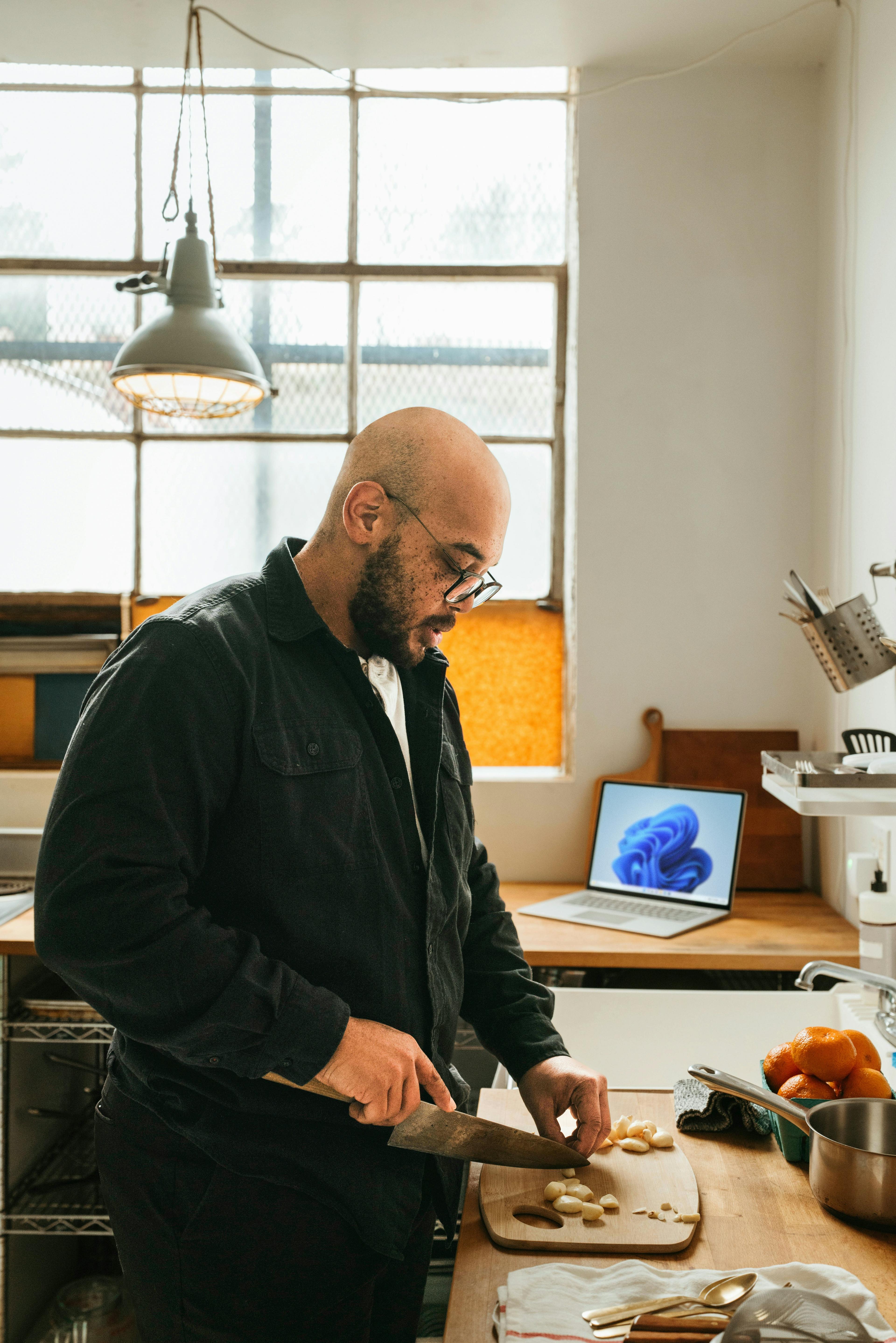
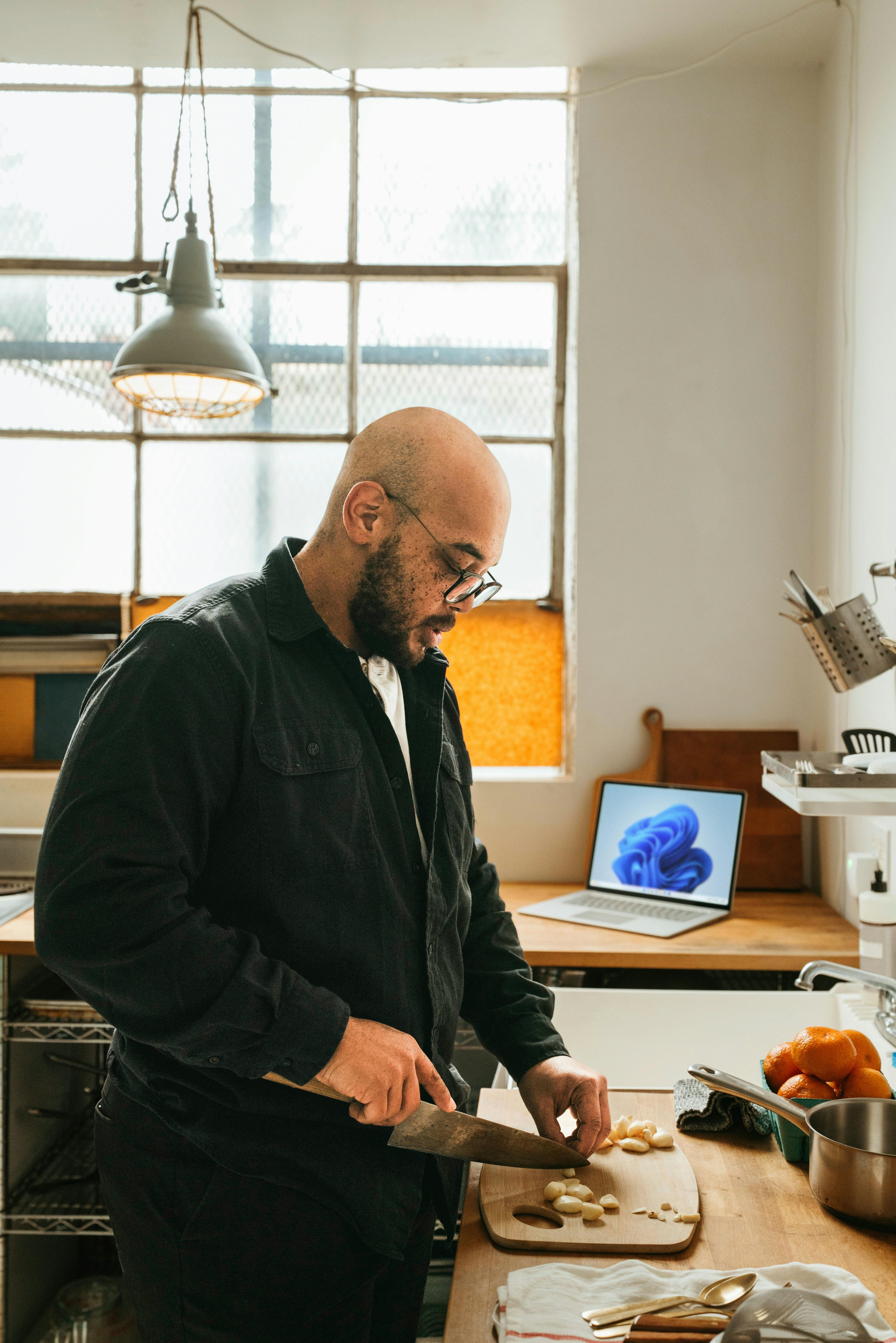


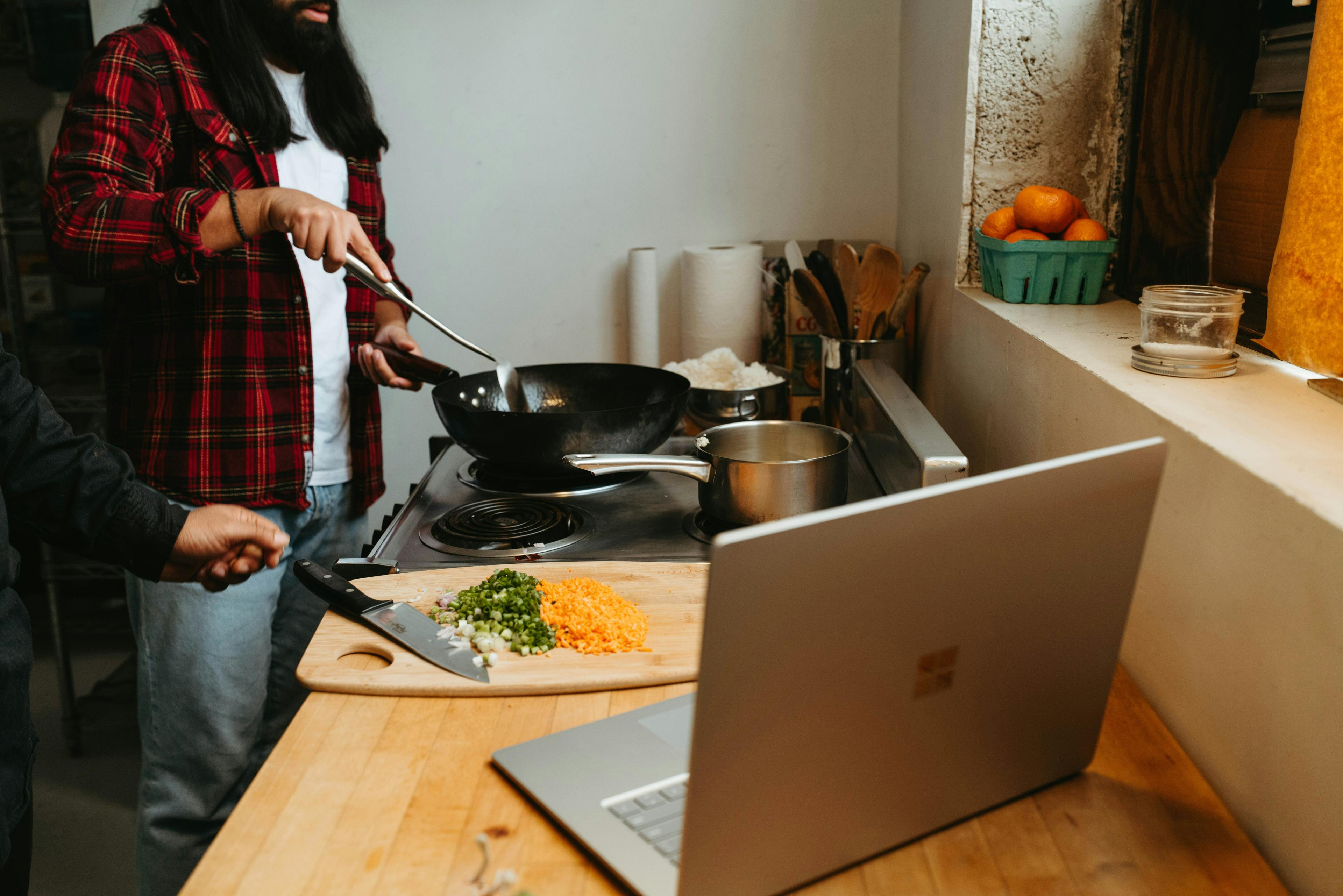
A recipe coach that moves through the meal with you
A heads-up display that walks you through a recipe in three phases, completely hands-free. No phone to unlock, no tablet to scroll, no cookbook to wrestle with. Just the next step, always in view.
The app moves through three stages. Shop surfaces your ingredient list before you start. Prep walks you through chopping, mixing, and measuring. Cook manages multiple timers simultaneously while keeping the next step in view. Comes preloaded with recipes. From the grocery store to the table, you never need to touch a phone, a tablet, or a cookbook.
An open-source starting point from our team
This is a Baseplate application — one of dozens of open-source foundations built by L+R as part of our alpha partnership with Meta on the Ray-Ban Display platform. Baseplates aren't always finished products. They're minimal, readable, and forkable. Built to show what's possible and give developers a working foundation to learn from and build on.
More Content You May Enjoy

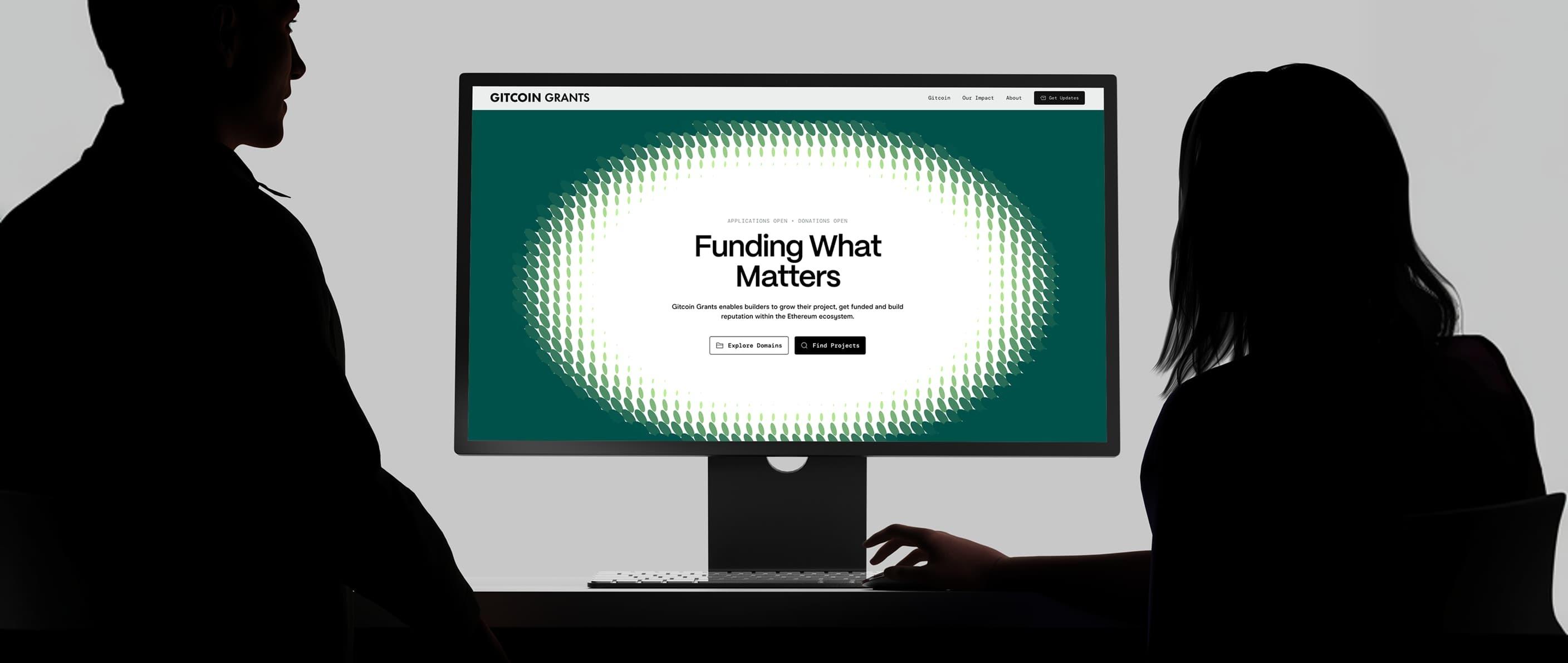
Gitcoin Grants
Design a flexible structure that could accommodate emerging grant categories in real time without sacrificing design integrity

L+R Brooklyn hosts open studio for NYCxDESIGN Design Week 2026

Gitcoin Rainbow Paper
Ground the brand in impact-focused thinking, moving beyond utility to influence the broader conversation surrounding decentralized funding and capital allocation


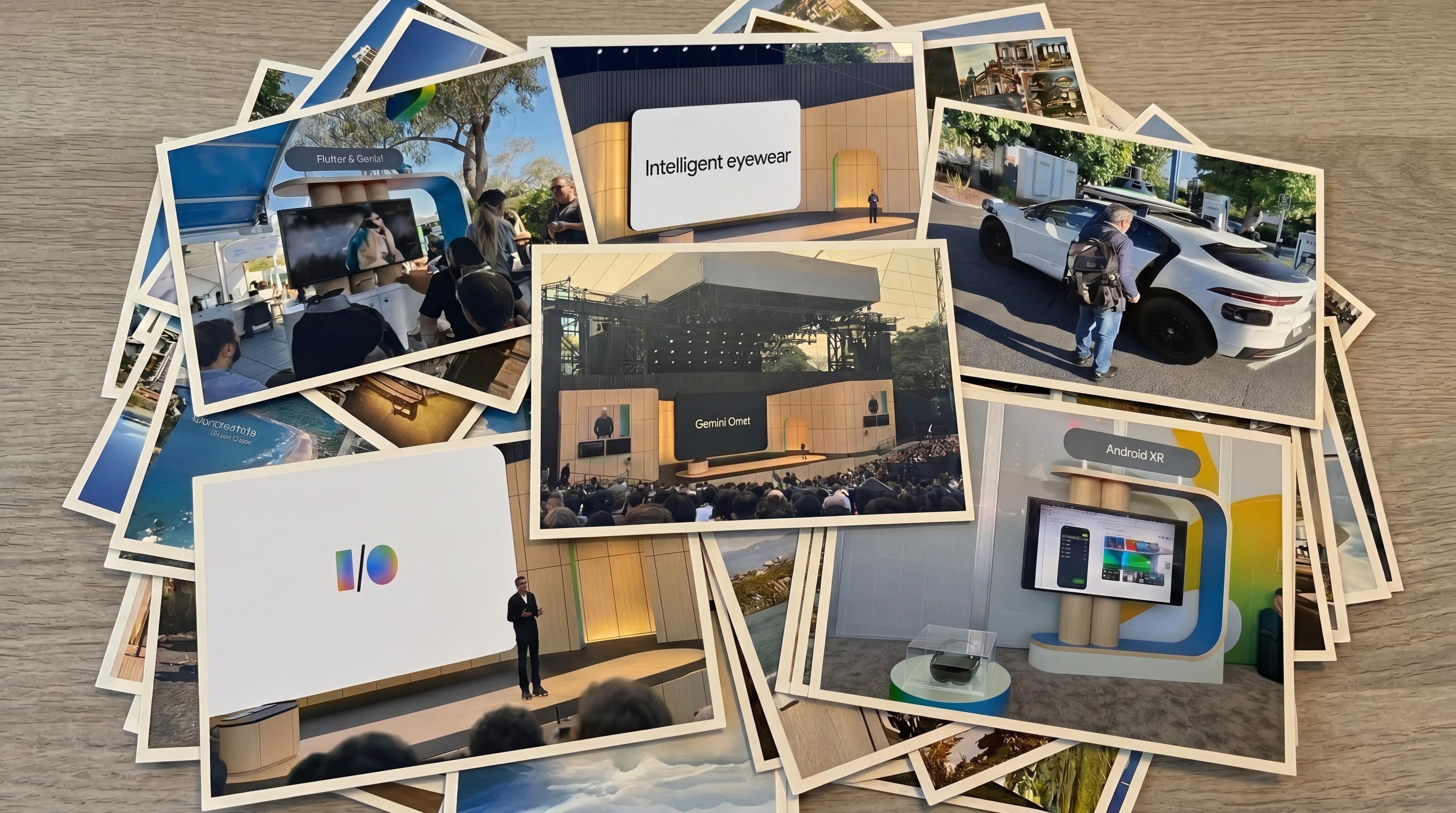
Postcards from Google I/O: What "AI" looks like when you stop talking about it